Articles
This page contains individual articles and older articles from the FSD Bulletin.
Latest articles
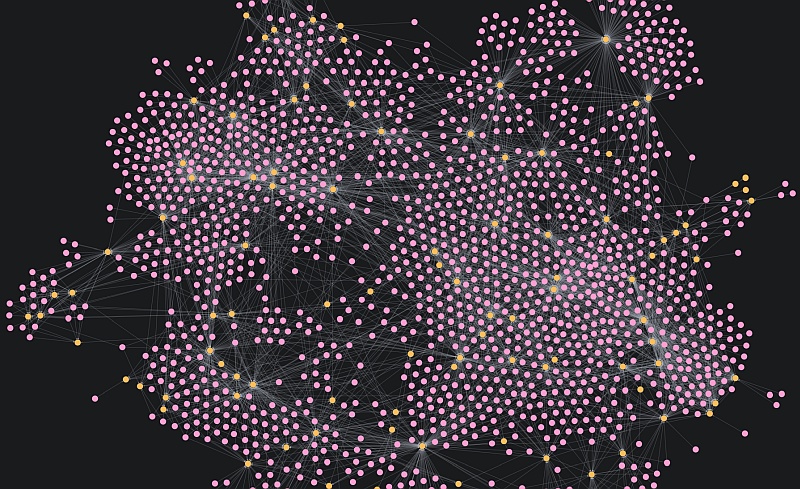
From DDI-C XML to Graph Databases: Modelling Research Metadata as Connected Knowledge
A single study can be connected to different authors, organizations, funders, topics, keywords and many other fields. Graph databases make relationships explicit, offering a promising way to explore and reuse DDI-C metadata.
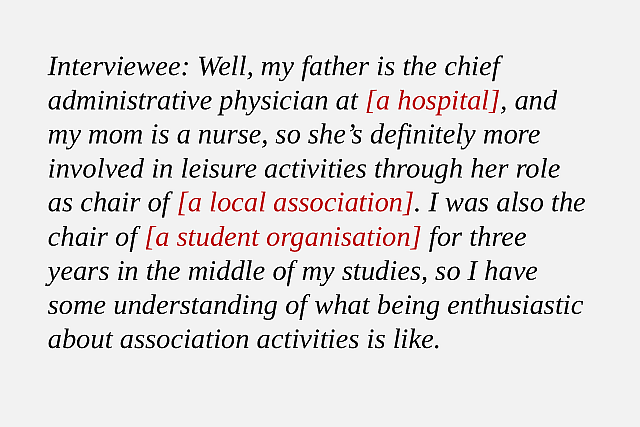
Anonymisation of Qualitative Data
It is often claimed that qualitative data cannot be anonymised. It is indeed particularly challenging to anonymise video or audio data, but FSD provides guidance for anonymising textual data, as such data can be anonymised. Texts may include transcriptions of interviews or writings produced by individuals for research purposes.
Increasing Trustworthiness of European Digital Repositories: FSD's Contribution to the FIDELIS Project in 2025
Drawing on its experience as a certified trustworthy digital repository and CESSDA Service Provider, FSD helps ensure that project outputs are sustainable, and usable for repositories at different stages of maturity across Europe.

AI for Verifying Text File Anonymisation: A Powerful Assistant Under Expert Guidance
Artificial intelligence may detect identifiers more accurately than a human. Properly guided AI can speed up the verification of anonymisation, provided it is implemented thoughtfully and with data protection practices in mind. However, reliability varies.

Data collection with Penna produced a record amount of data
Since 2017, Penna has been used to collect dozens of textual research materials on diverse topics. The most prolific collection in Penna’s history has been by researcher Marjo Ring, who gathered writings from practical nurses and nurses who left the profession, detailing their experiences and reasons for the change.

A Quarter of a Century of FSD and Data Archving in Finland
For over 25 years, FSD has fulfilled its national role as a separate unit of Tampere University, witnessing numerous changes in its operational environment and the general attitude towards the management and openness of research data.
All articles
- Article: From DDI-C XML to Graph Databases: Modelling Research Metadata as Connected Knowledge
- Article: Anonymisation of Qualitative Data
- Article: Increasing Trustworthiness of European Digital Repositories: FSD's Contribution to the FIDELIS …
- Article: AI for Verifying Text File Anonymisation: A Powerful Assistant Under Expert Guidance
- Article: Project news begin – introducing FSD’s projects
- Article: Data Collection with Penna Produced a Record Amount of Textual Data for Marjo Ring
- Article: Editorial: A Quarter of a Century of FSD and Data Archving in Finland
- Article: The winding road to GDPR compliance
- Article: Building capacity and ensuring competence in FSD's IT Services
- Article: The road travelled for CESSDA Vocabulary Service
- Article: Active Service Provider for CESSDA ERIC: Building New European Services for Researchers
- Article: The citizens’ pulse surveys chart the Finnish state of mind – over 40,000 respondents to date
- Article: A Game Researcher Delves into the Health Effects of Gaming
- Article: A trip down game music memory lane
- Article: Archived data facilitate research on children and families
- Article: Steps towards being more FAIR
- Article: Archived data are fit for both quantitative and qualitative theses
- Article: Data archives maintain comparative data
- Article: Unique software for unique needs
- Article: Opening access to research data a merit to researchers
- Article: Archiving and anonymisation in international research projects: EduMAP project leading the way
- Article: Twenty years of pioneer work toward responsible open science
- Article: FSD Data Service personnel's favourite data
- Article: Longitudinal data series enables research on trends
- Article: European Services for Research in Social Sciences and Humanities
- Article: CESSDA Catalogue Will Boost the Visibility of FSD's Data in Europe
- Article: Researchers Will Soon Have Access to Thousands of European Datasets through CESSDA Catalogue
- Article: CESSDA Is an ERIC At Last and FSD Continues as Service Provider